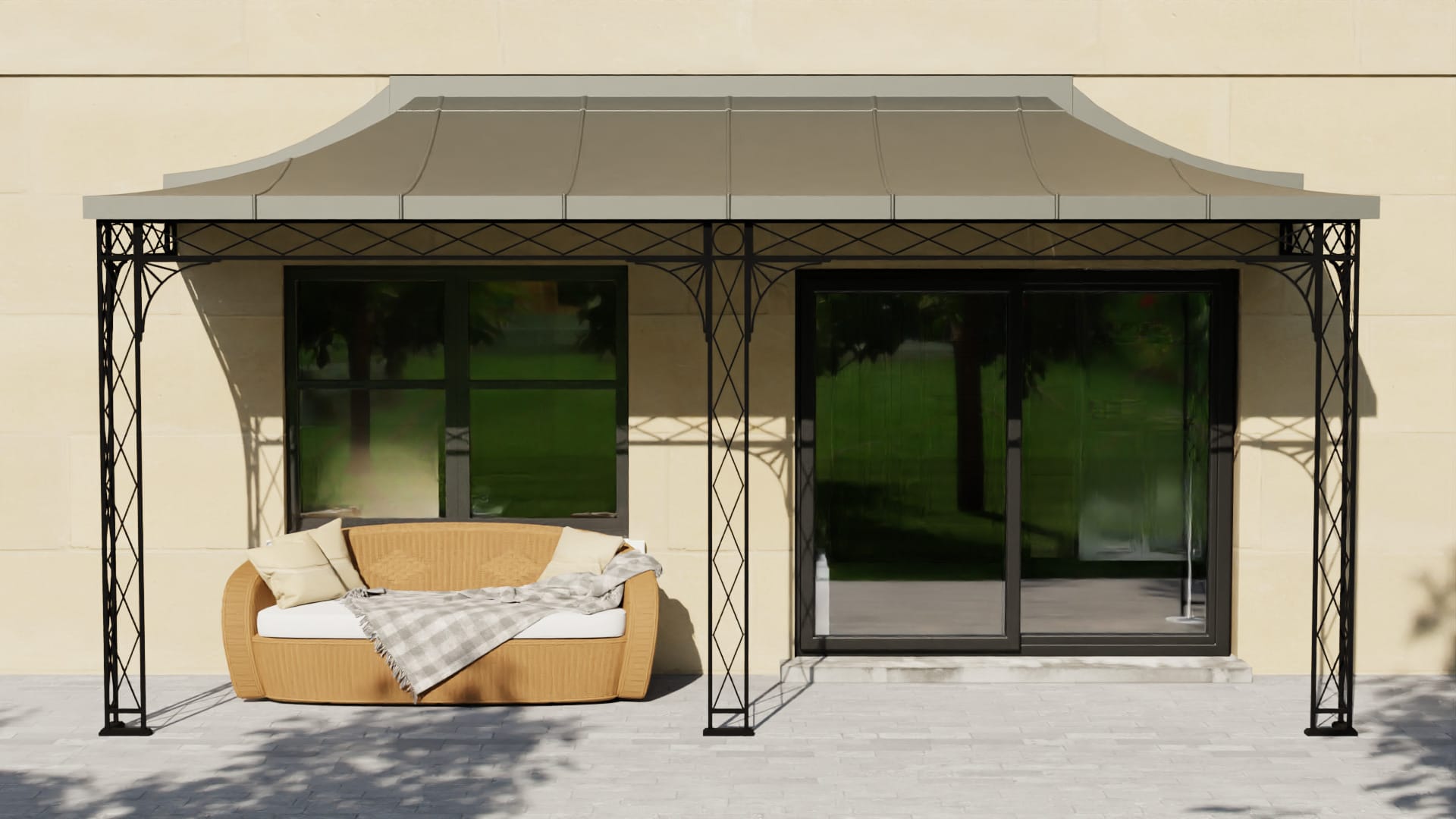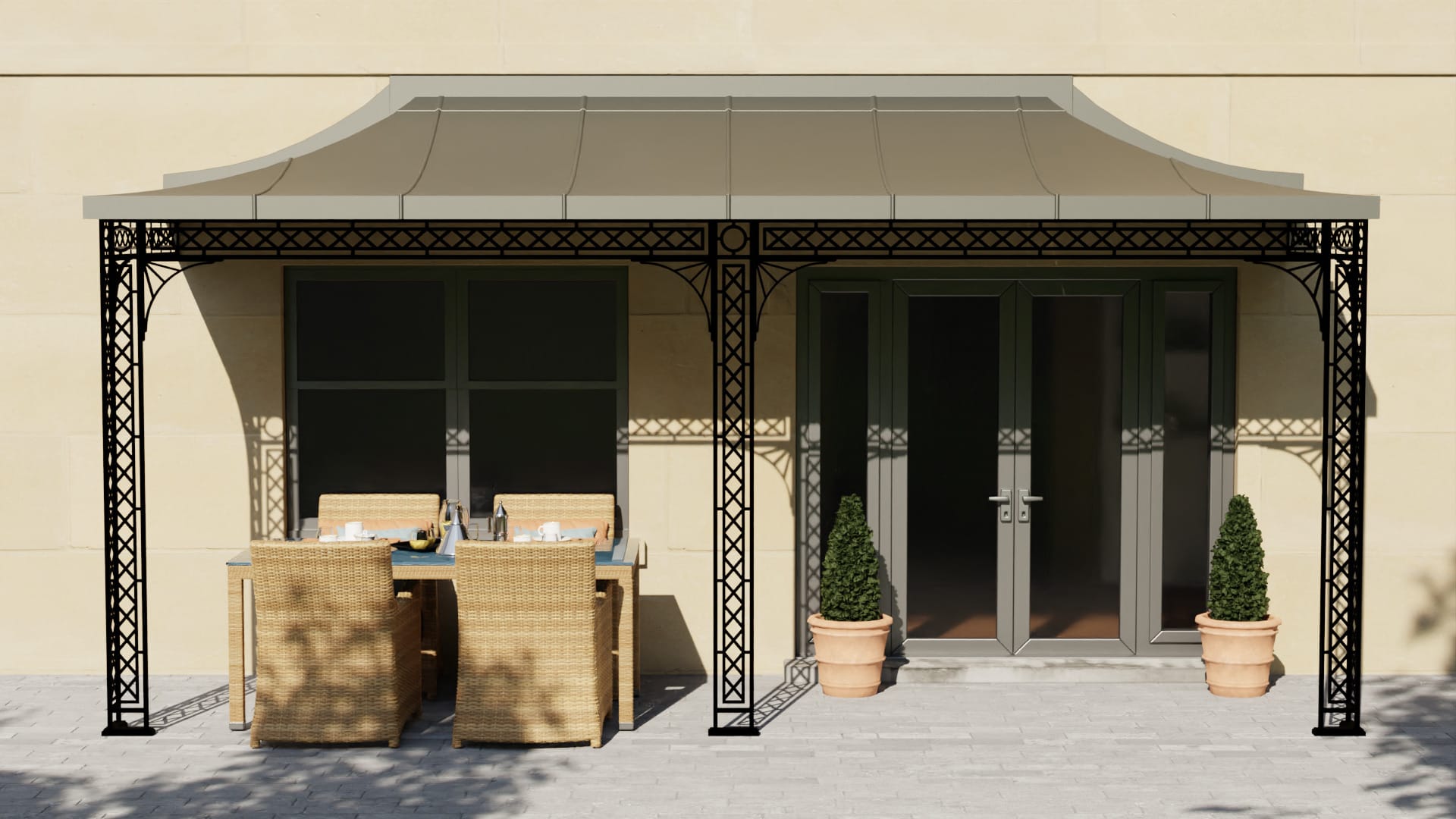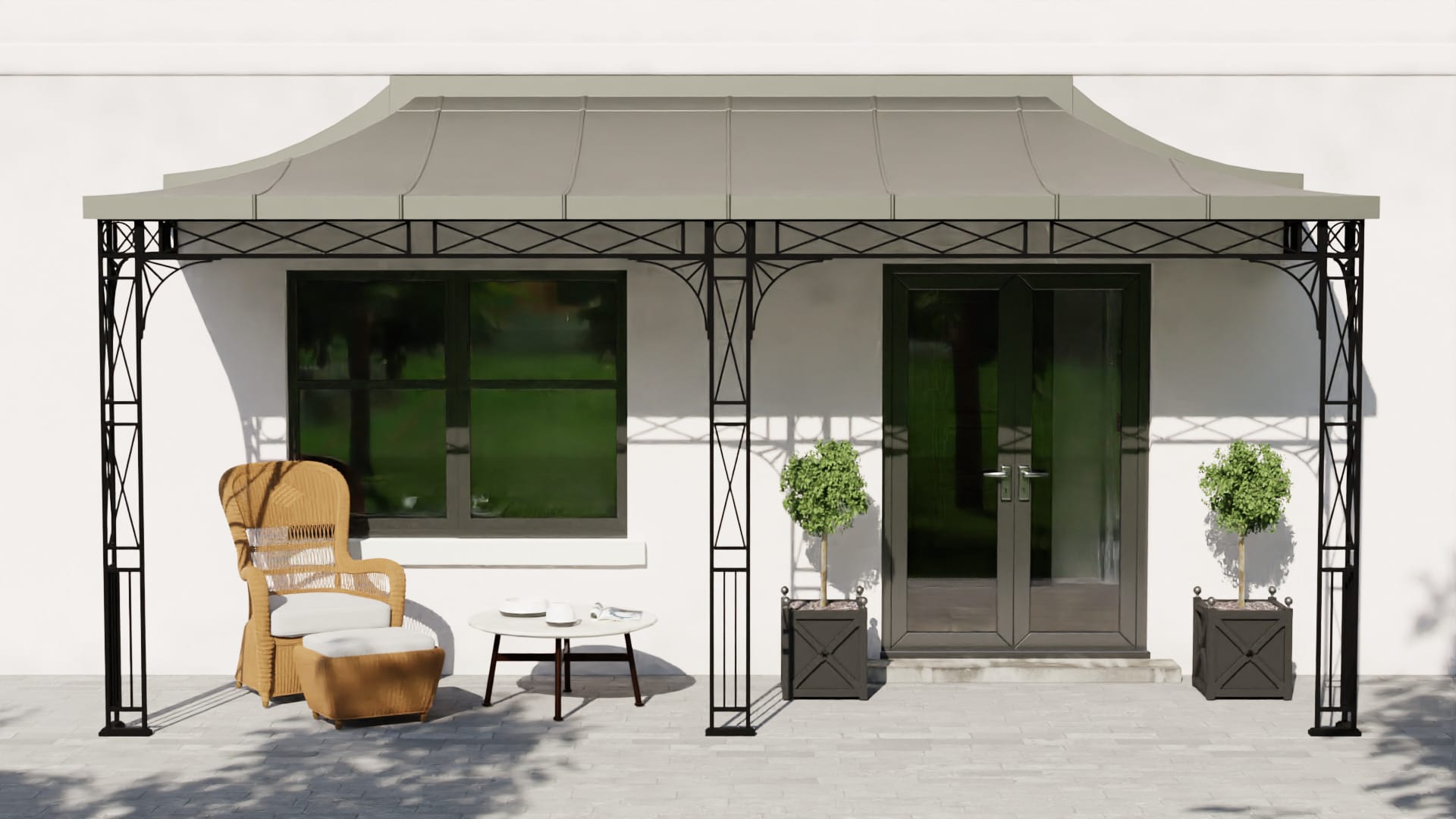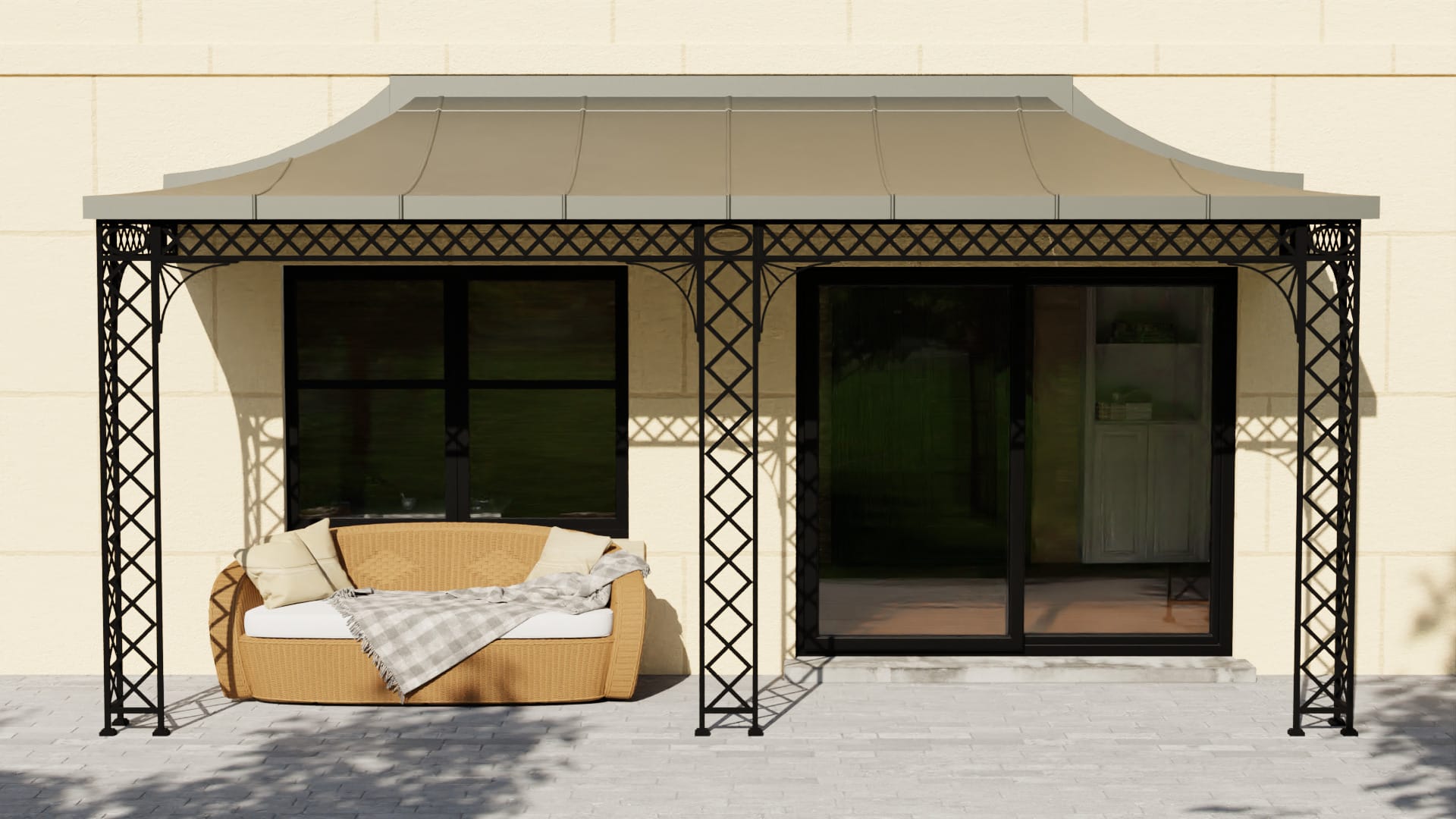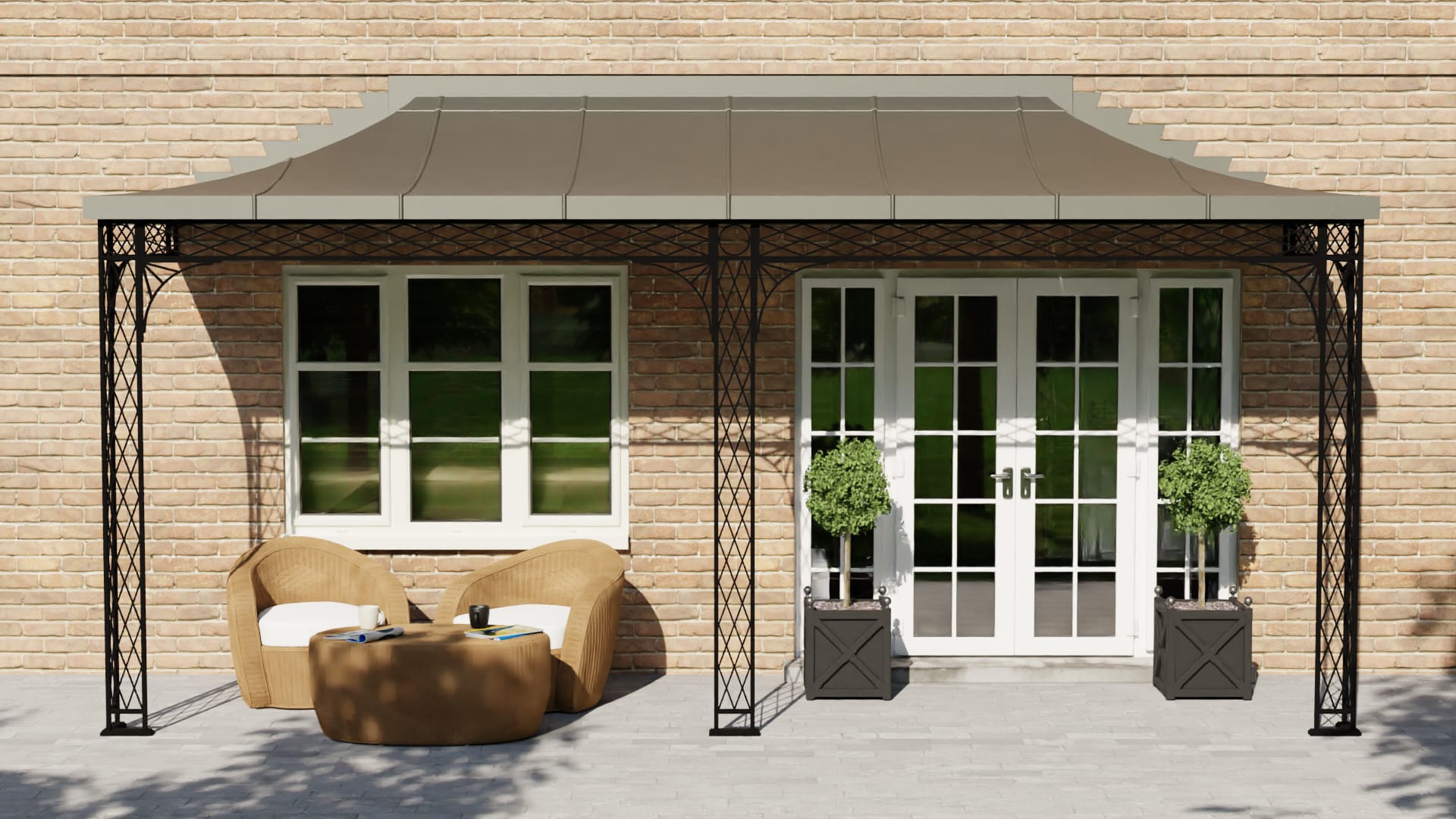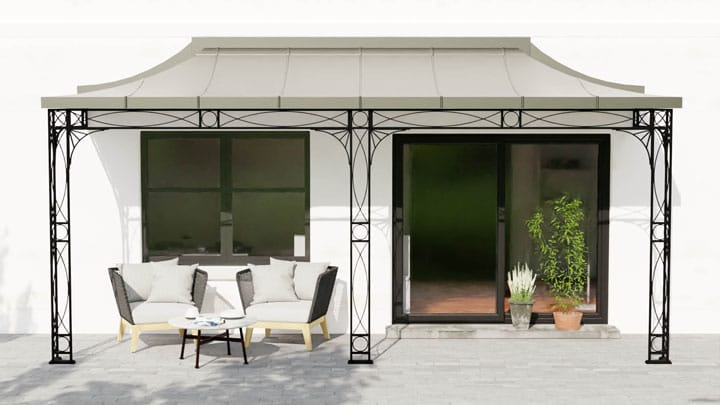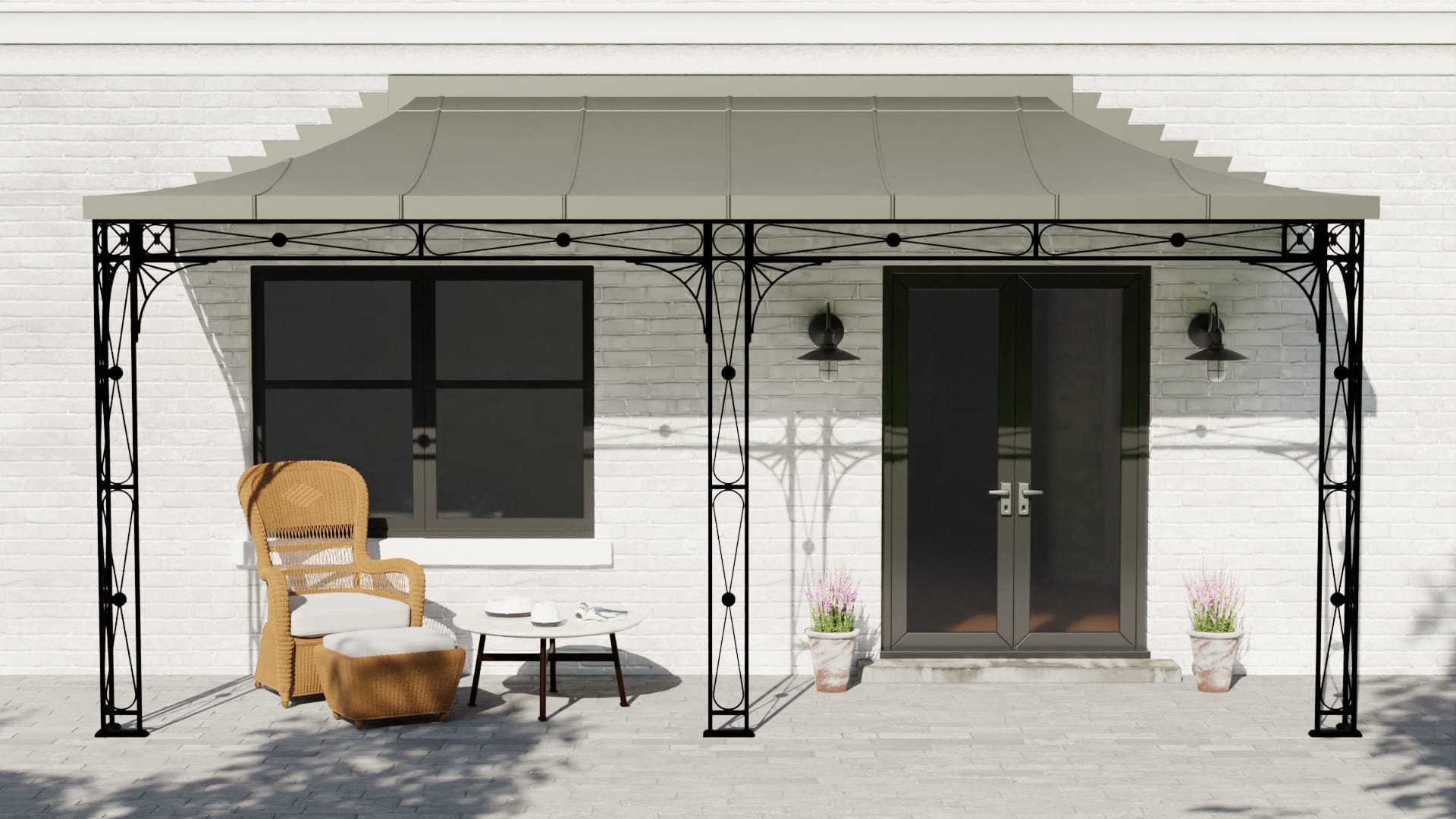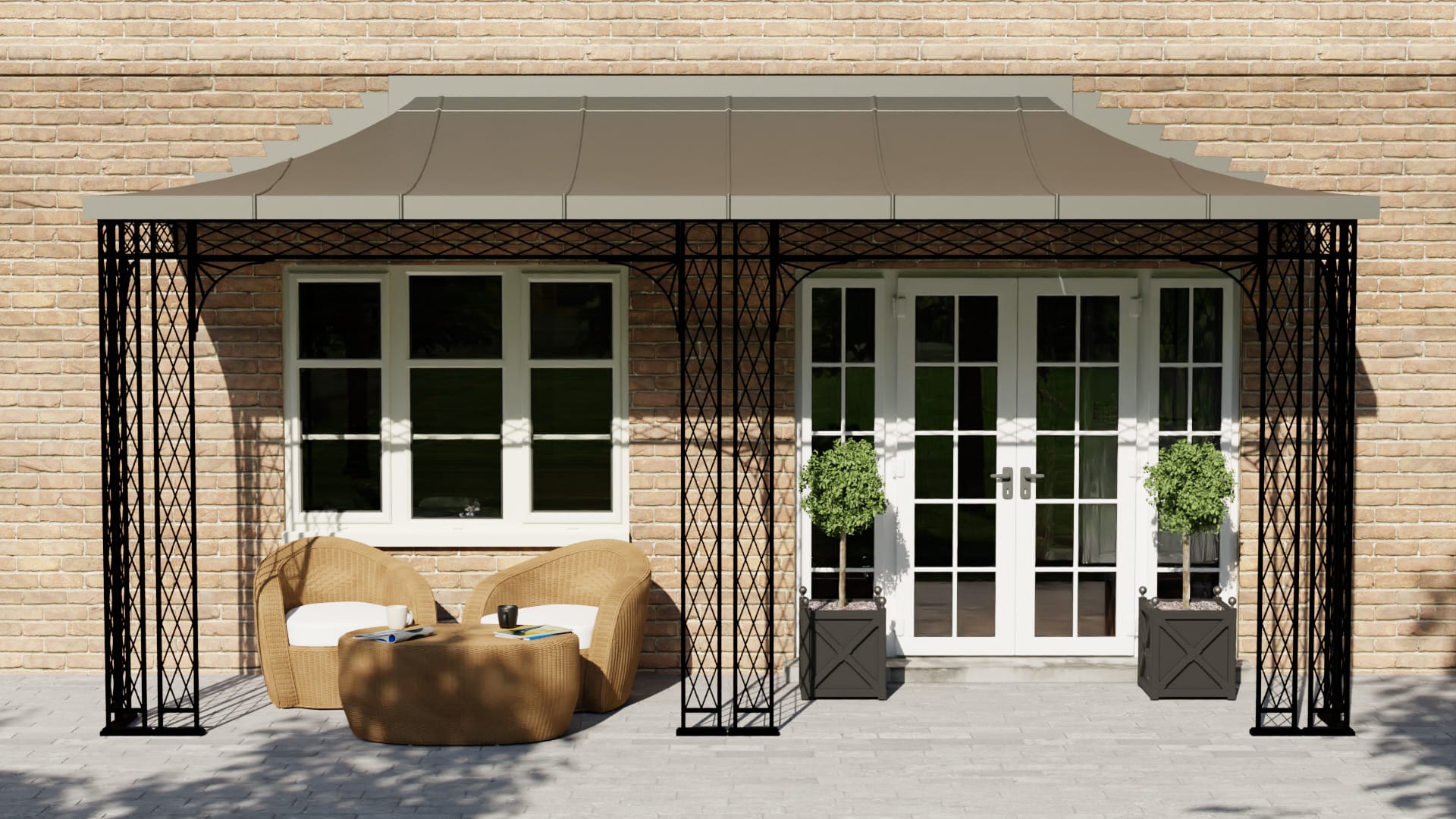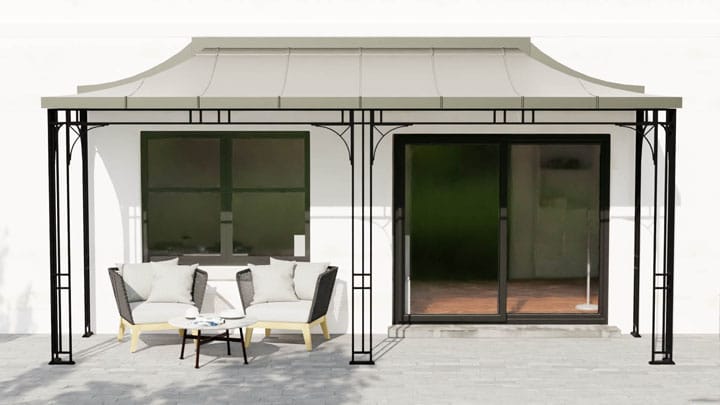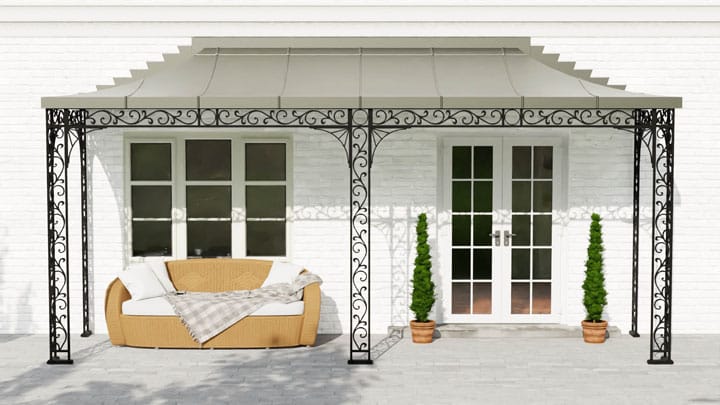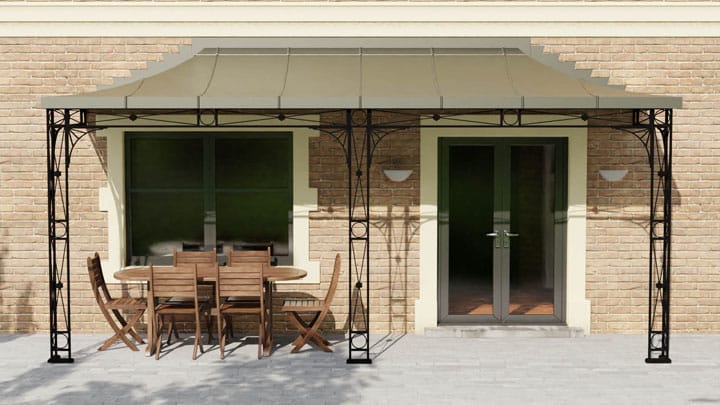
Metal Veranda Designs
Home > Verandah Designs
Metal Veranda Designs
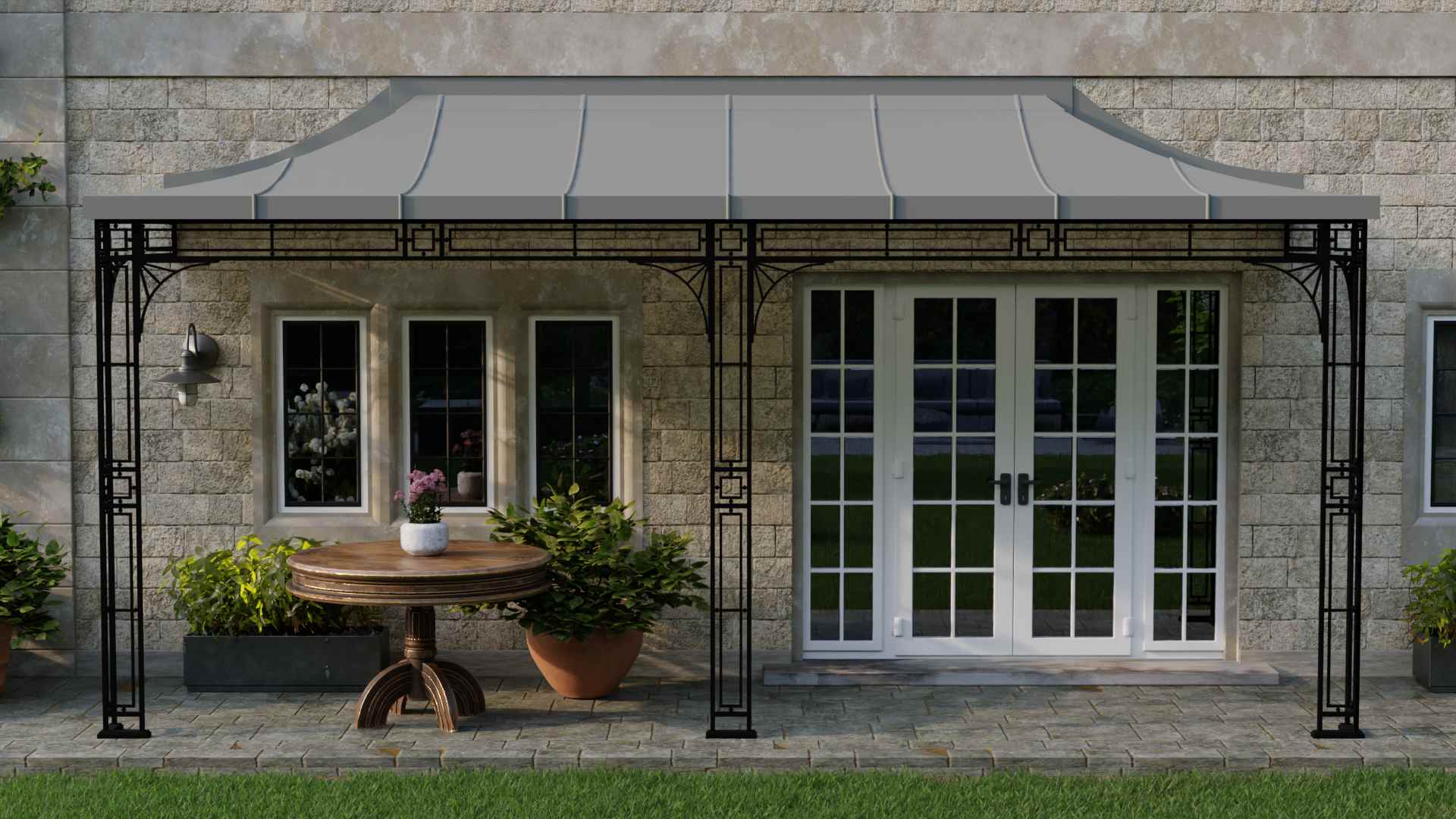
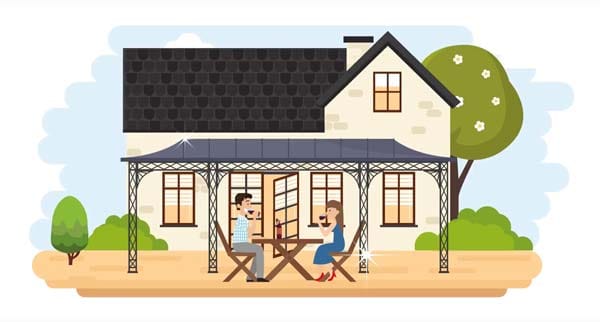
Offering both shelter and shade, a metal veranda (sometimes spelt ‘verandah’) allows you to enjoy your outdoor space throughout the year, whatever the weather. Whether you wish to entertain friends and family, dine alfresco or simply relax and take in your surroundings, a well-designed veranda can transform how you use and experience your home.
Our collection of metal veranda designs has been carefully developed to suit a wide range of architectural styles, from traditional period properties to more modern homes. From decorative wrought iron verandas to simpler, more contemporary designs, each structure is created to complement the character of the property while enhancing the space it serves.
All of our wrought iron verandas are handcrafted to order, ensuring a precise fit and balanced proportions. In addition to our standard veranda designs, we also offer a bespoke design service, allowing us to create a veranda tailored specifically to your requirements and the layout of your home.

Prices Starting at £6,580
New
Belgrave Verandah
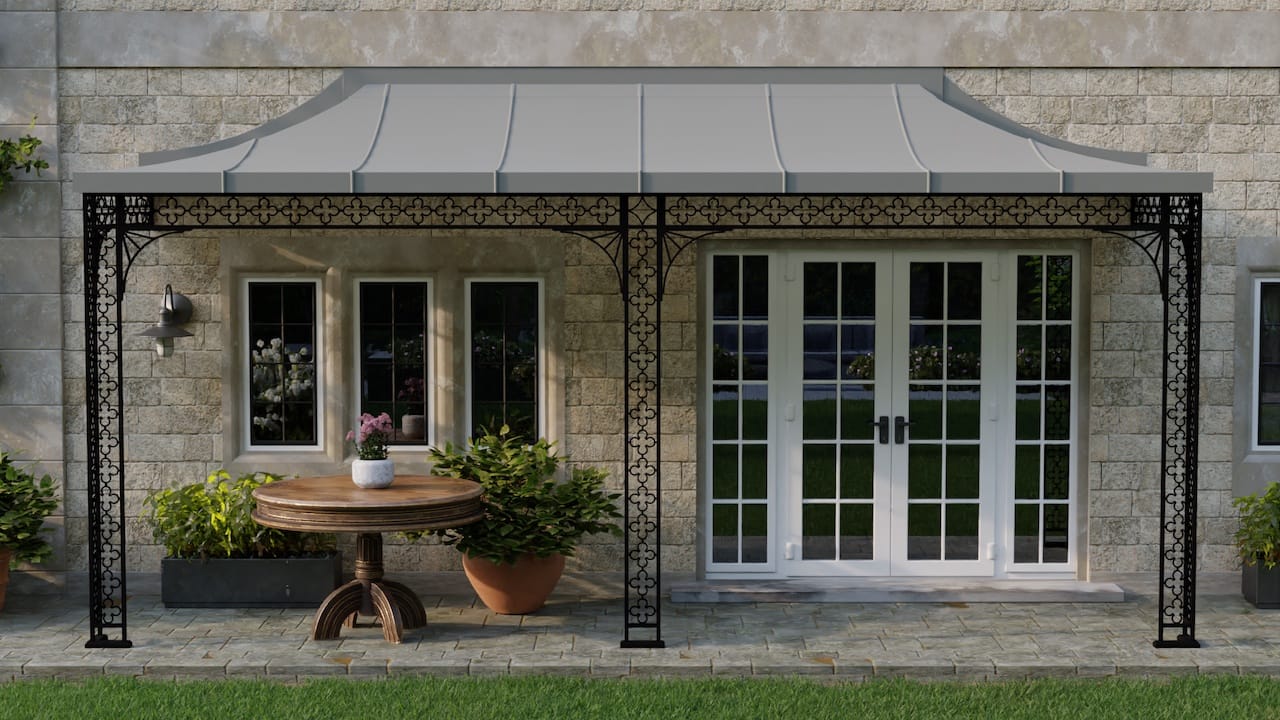
Quatrefoil Verandah
This beautiful NEW veranda ironwork design features Quatrefoil decorative inserts. This pattern was exceptionally popular during the Gothic and Renaissance era’s and can often be found featured in Gothic arches and Christian architecture. A timeless and traditional wrought iron design!
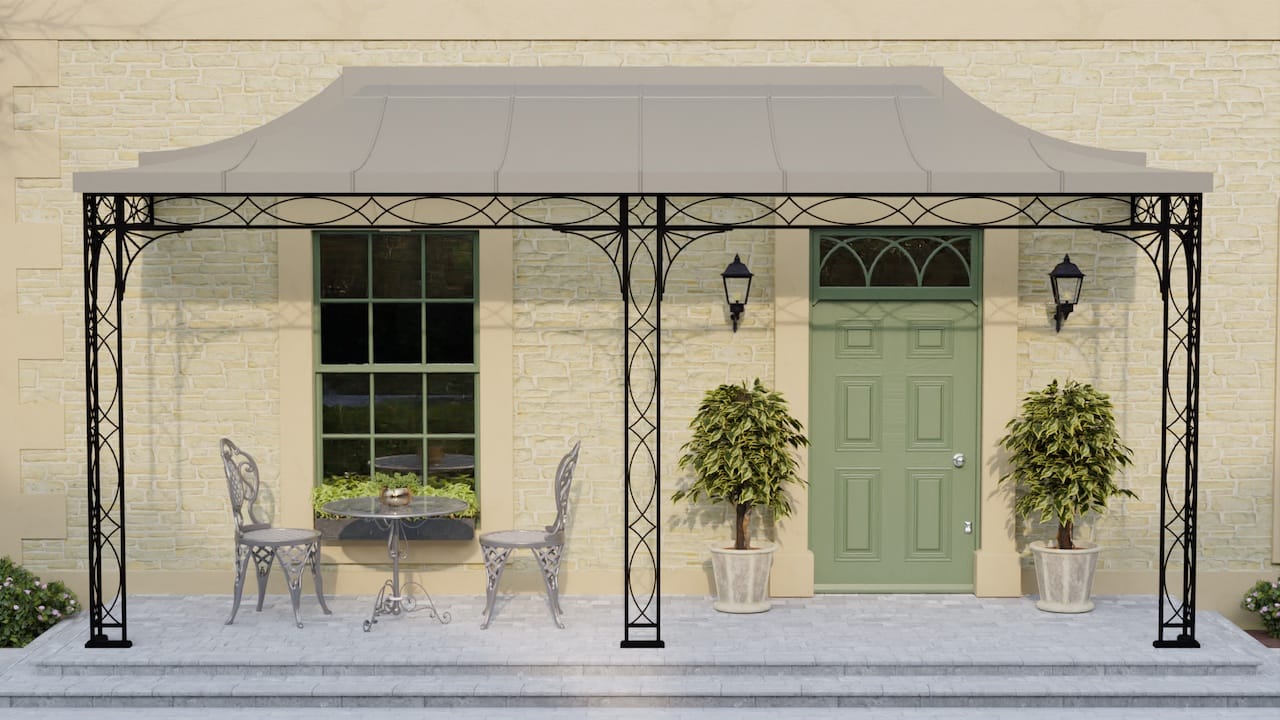
Queen Anne Veranda
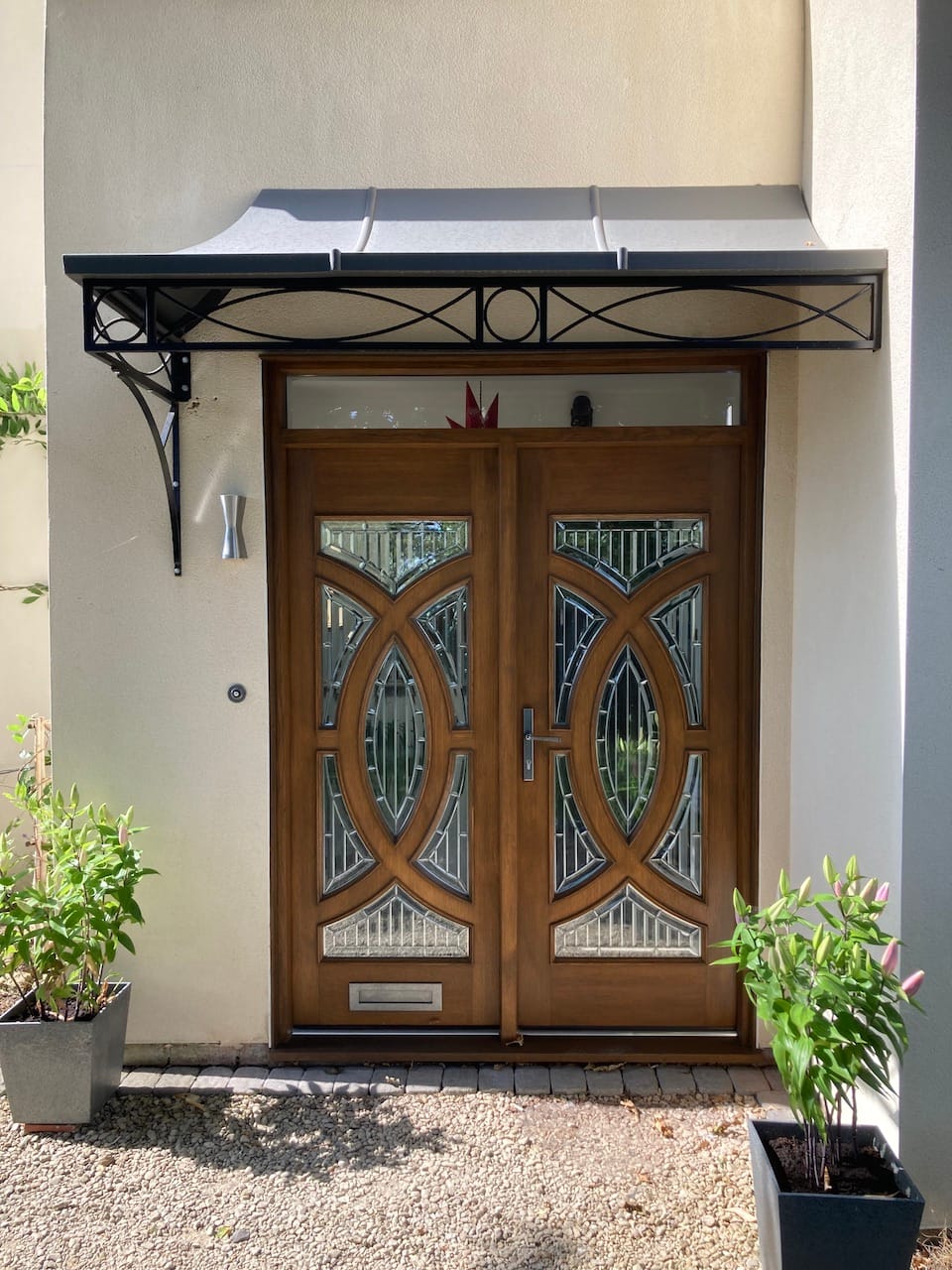
Our elegant NEW Queen Anne veranda ironwork is formed from back to back vesica piscis’. This mathematical shape has been popular in architecture for many centuries and is still popular today. We believe this decorative metalwork design would make a graceful yet stylish addition to both period and modern homes alike.
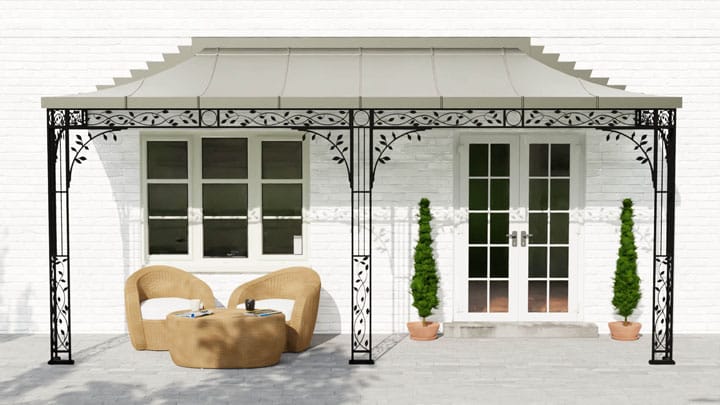
Roseleaf Verandah
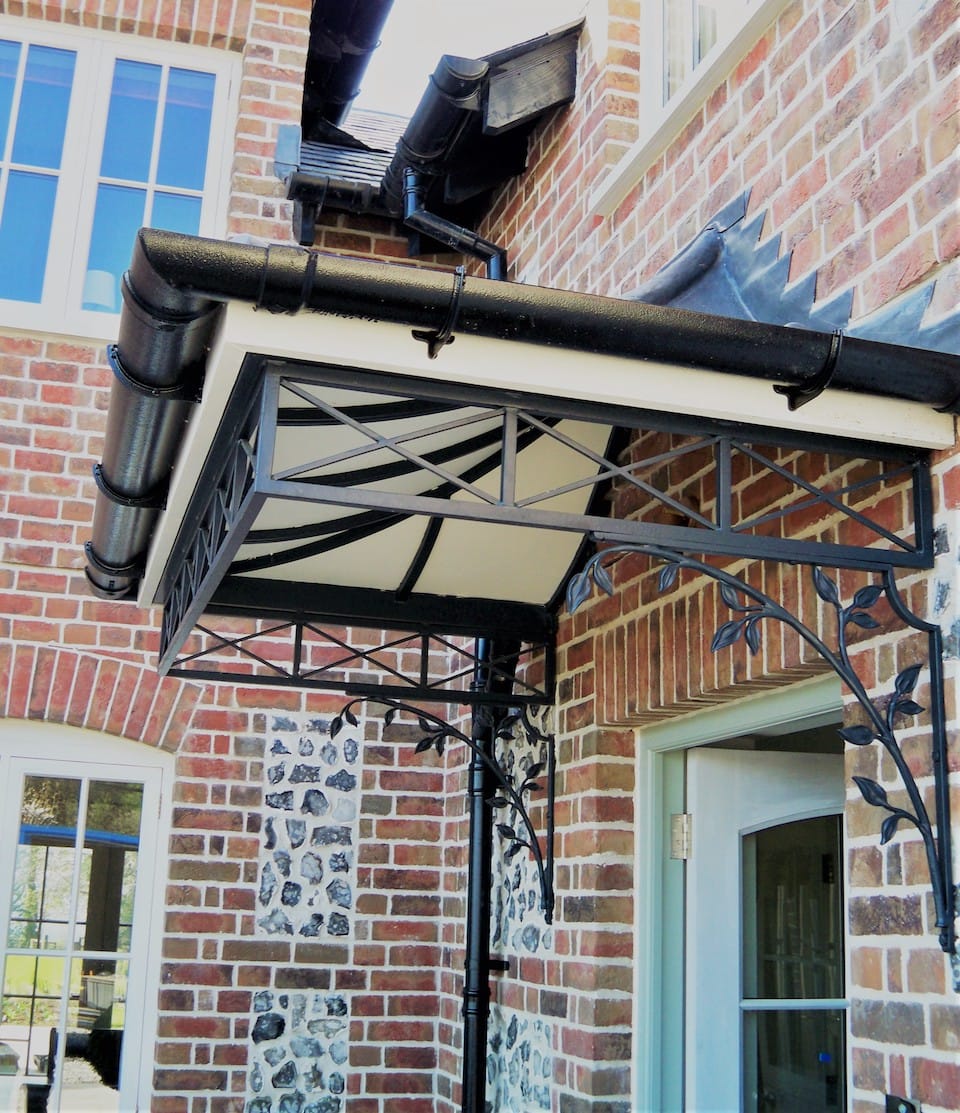
The free-flowing form of the rose vine with cast leaves contrast beautifully with the straight lines in this design. Perfect for creating a traditional ironwork veranda!
Deco Veranda
As the name suggests this metal verandah design is inspired by the detail and clean lines of the Art Deco period.
Highbury Verandah
Our minimal Highbury ironwork makes for a sleek and stylish contemporary veranda.
Regency Wide Veranda
This heavier design features wider uprights with bolder inserts particularly suited to larger entrances or for larger verandas requiring a more substantial look.
Eden Verandah
Designed in the style of a leafy vine this traditional, organic veranda is sure to add a sense of period charm and character to your home.
Regency Light Veranda
This timeless veranda design works equally well on traditional and modern homes alike.
Treillage Verandah
This wrought iron veranda design is as versatile as the Regency Light design but features a tighter, trellis style pattern insert.
Henley Veranda
For those who prefer softer lines the Henley veranda ironwork features an ‘infinity’ pattern with central flower detail.
Georgian Veranda
A bolder design with a diamond pattern insert that seems to float in its frame. Suitable to create either a traditional veranda as well as a more modern veranda.
Nouveau Veranda
Inspired by the Art Nouveau period this veranda design is particularly suited to 20th century architecture or later.
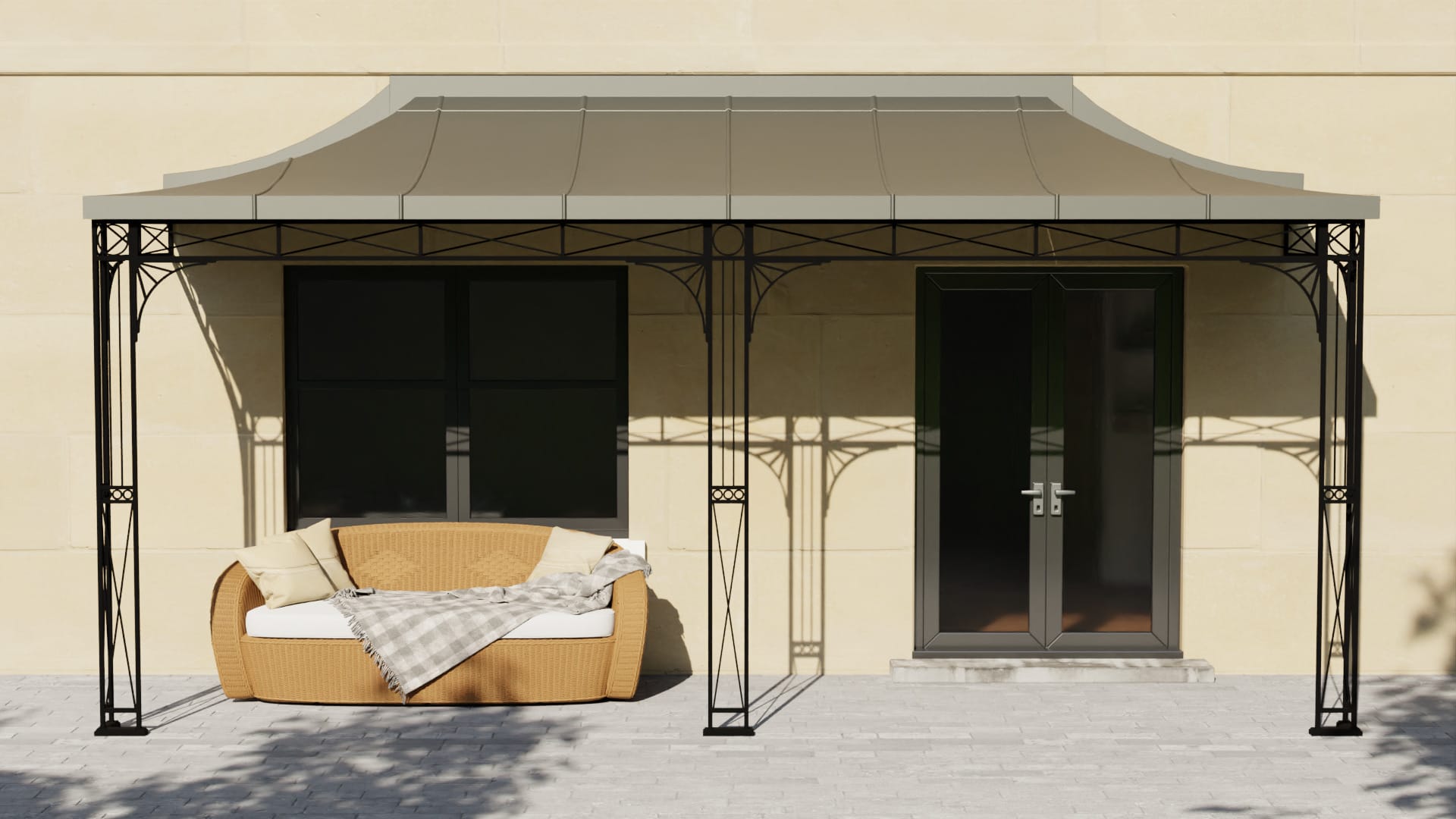
Wentworth Veranda
Our handsome Wentworth design features clean lines & a simple cross pattern punctuated by contrasting ring detail, creating a timeless, classic veranda.
Cambridge Veranda
A well rounded and timeless veranda design that features regular ‘breaks’ in design is sure to enhance and add interest to any abode.
Double Treillage Verandah
If you like the Treillage design but would prefer a bolder, more substantial veranda then our Double Treillage could be the design for you!
Choosing the Right Metal Veranda Design
Choosing the right metal veranda design can make a significant difference to both the appearance of your home and how you use your outdoor space. A well-designed veranda provides shelter and shade while creating a natural extension between your home and garden.
Traditional wrought iron veranda designs often feature decorative detailing inspired by Georgian, Victorian or Arts & Crafts architecture. These styles are particularly well suited to period properties or homes where maintaining architectural consistency is important.
For more contemporary homes, simpler veranda designs with clean lines and minimal detailing can create a more modern, understated look while still providing practical shelter and usable outdoor space.
Size, proportion and layout are also important considerations. A veranda should feel balanced with the scale of the property while providing sufficient coverage to create a comfortable, sheltered area. All of our metal verandas are handcrafted to order, allowing each design to be tailored to suit the dimensions and architectural style of your home.
Metal Veranda Roof Options
The roof is a key element of any metal veranda, influencing both the level of shelter provided and the overall appearance of the structure. The right veranda roof option will depend on how the space is intended to be used, as well as the style of the property.
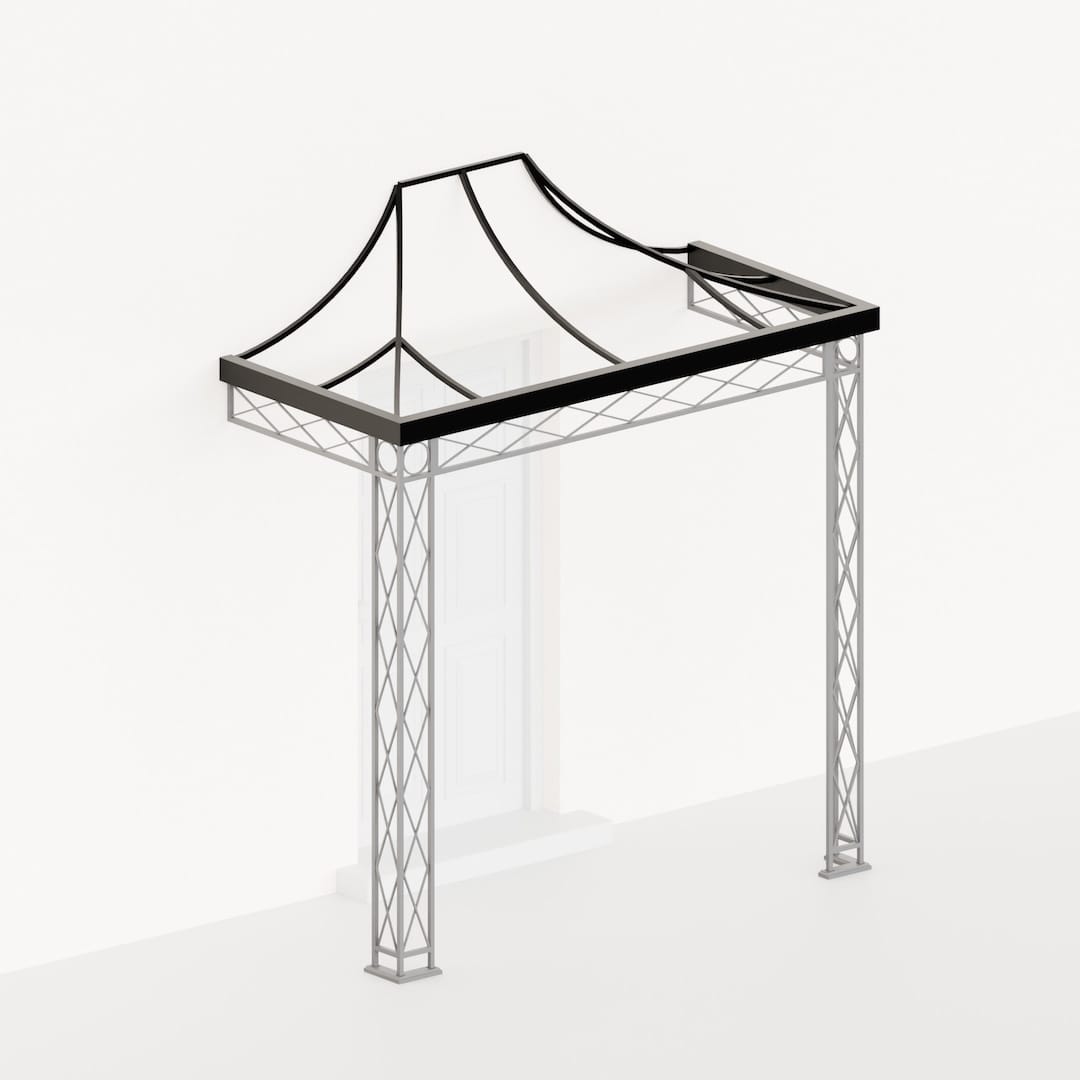
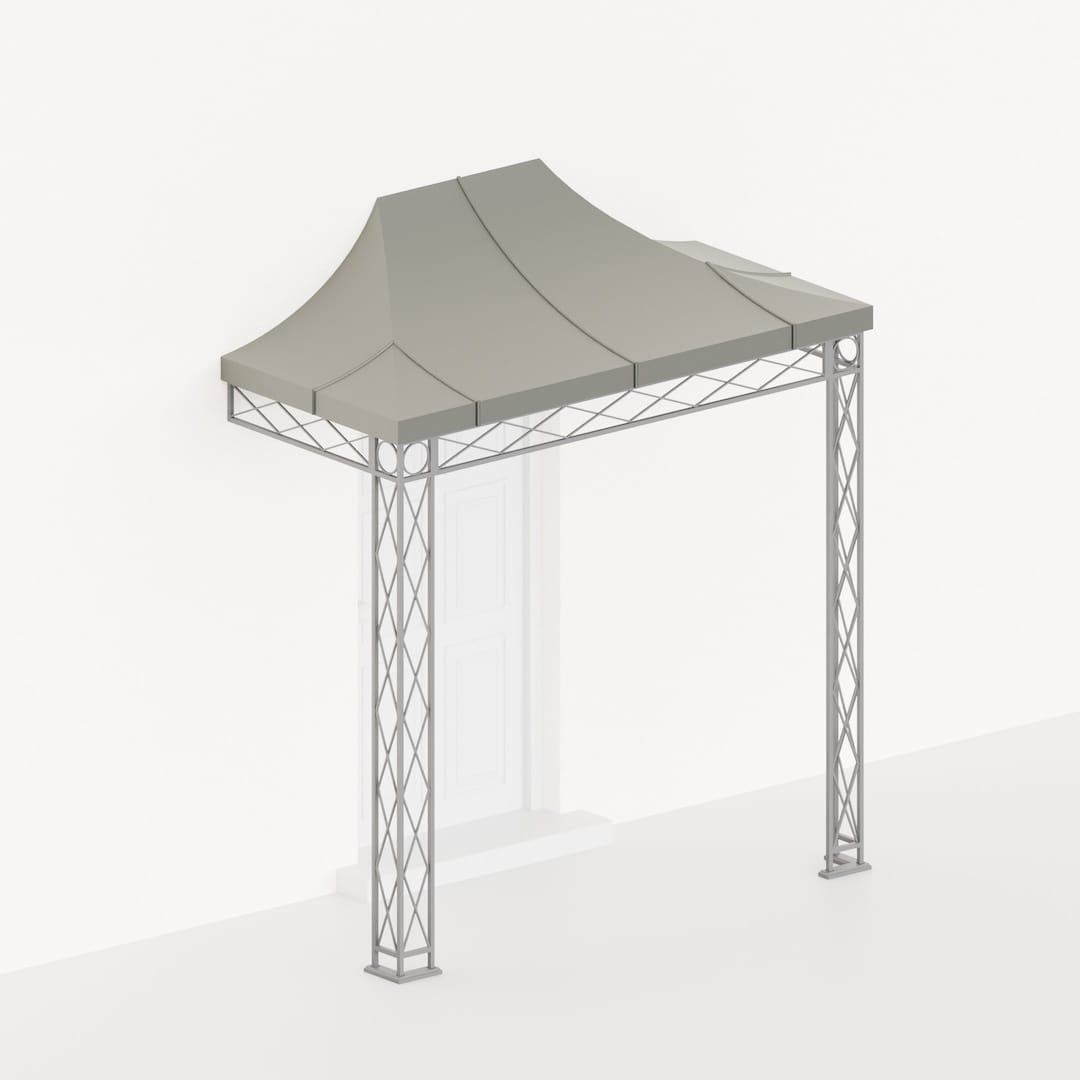
A traditional roof framework allows your chosen roofer or builder to complete the veranda using materials such as lead, copper or zinc. This option is often preferred where matching existing roof finishes is important.
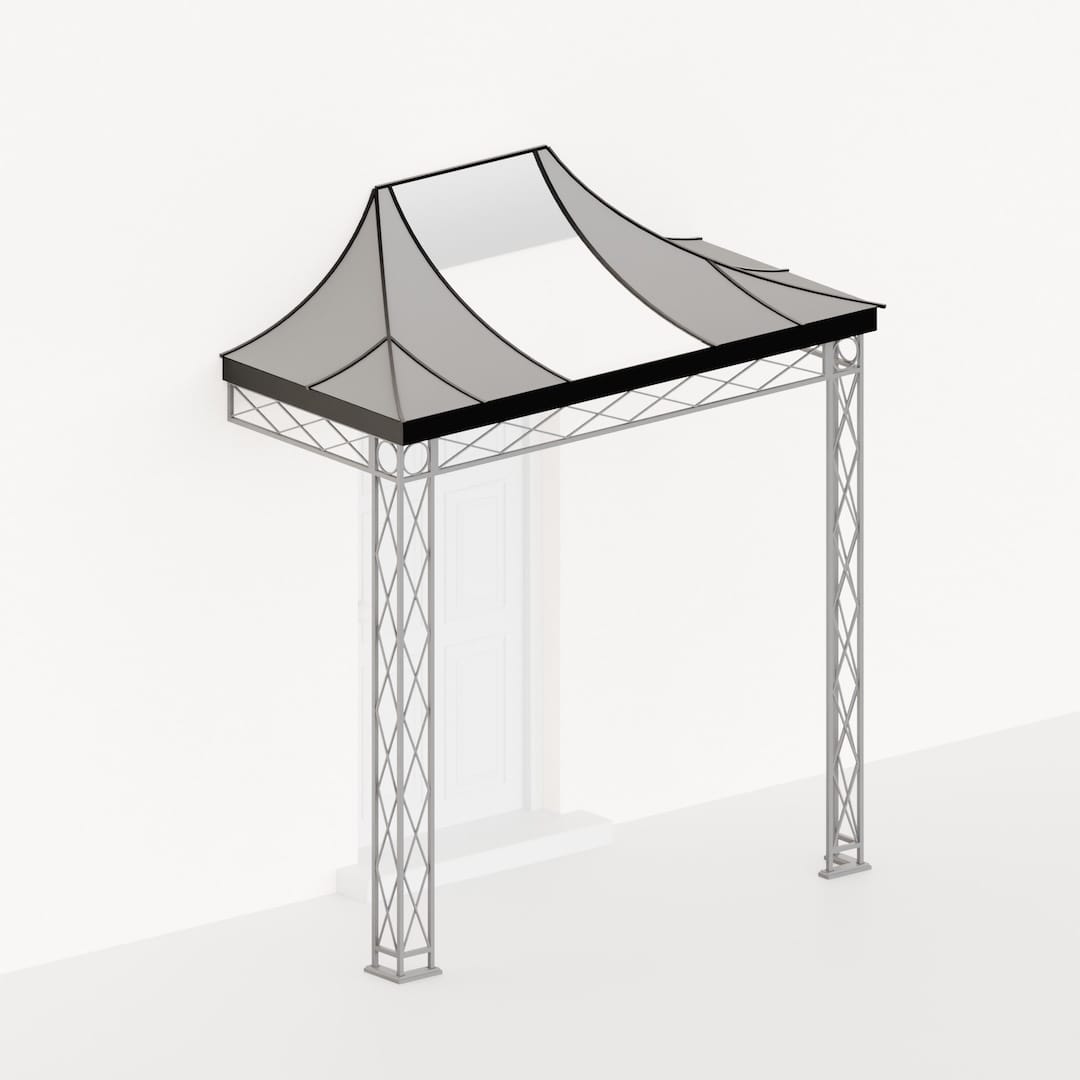
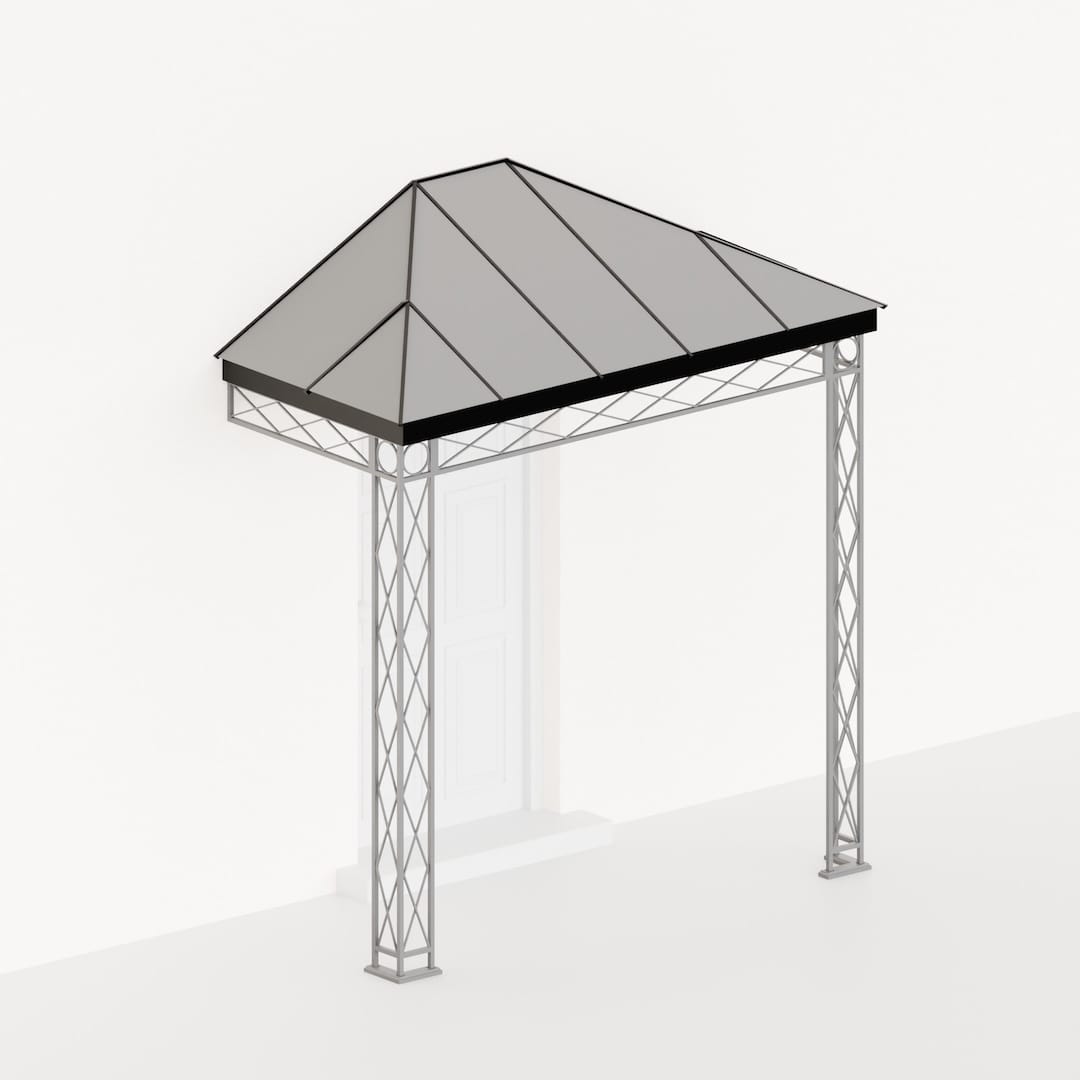
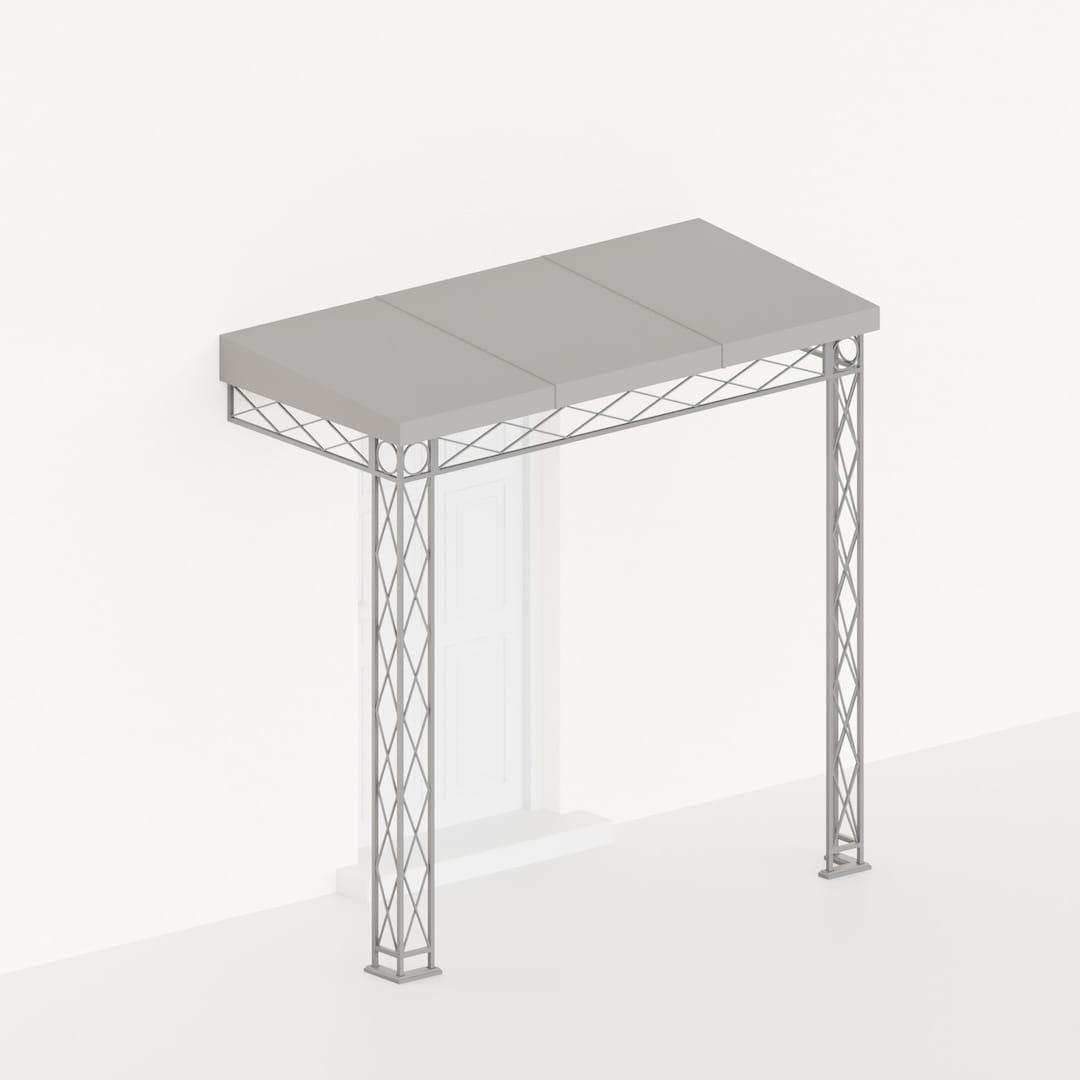
Our complete metal roof provides a lightweight alternative that closely resembles a traditional lead roof while offering a clean and durable finish. This option is well suited to those looking for a low-maintenance solution.
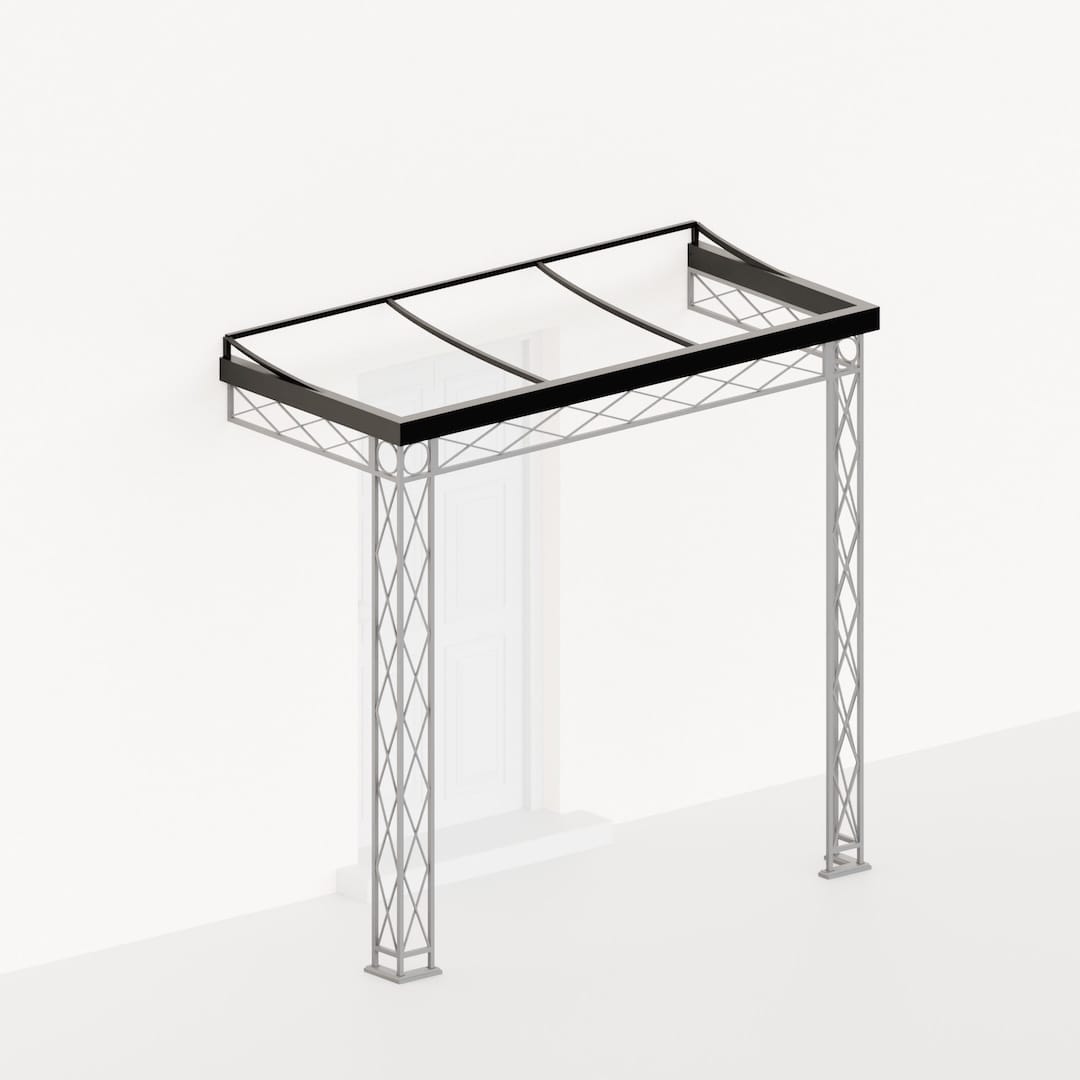
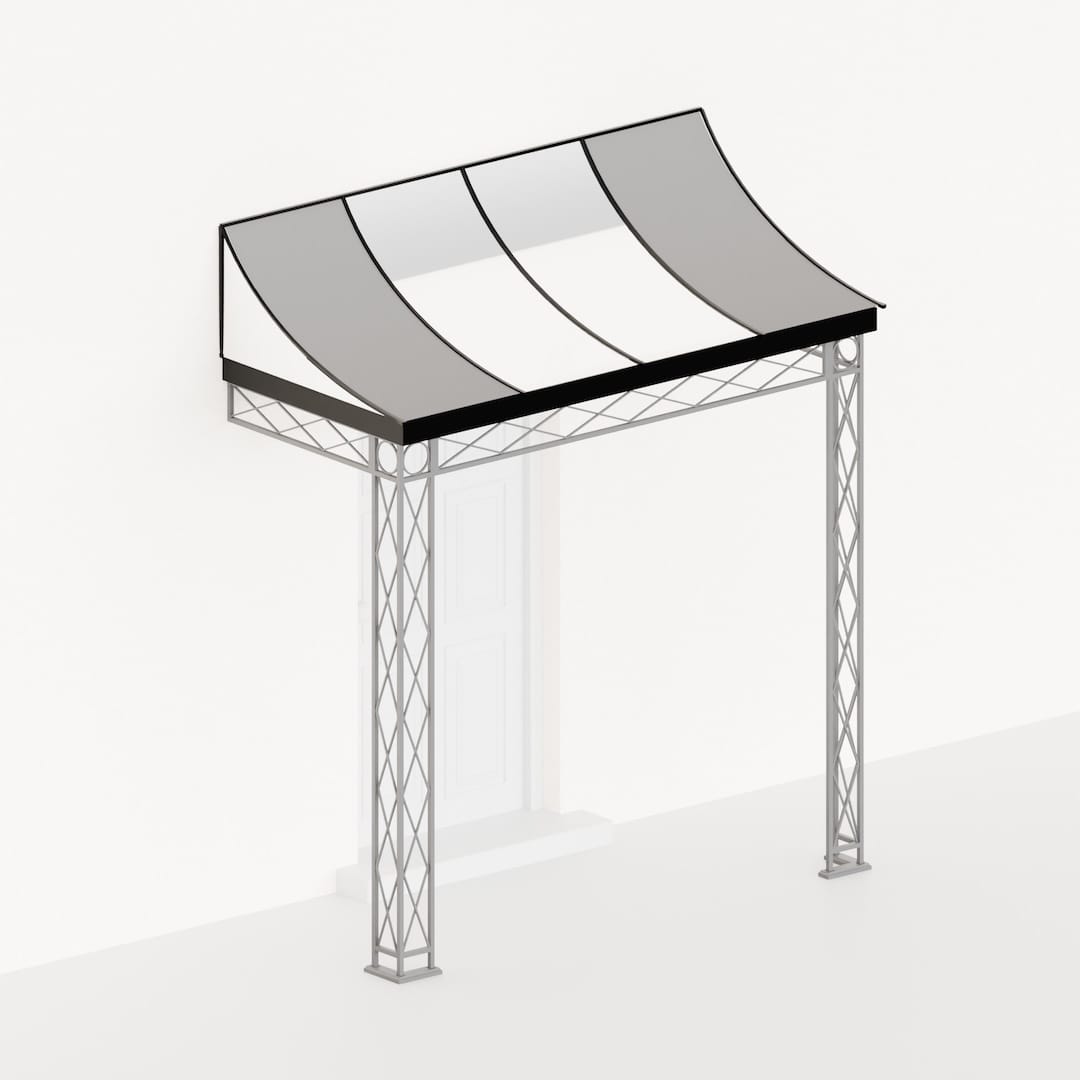
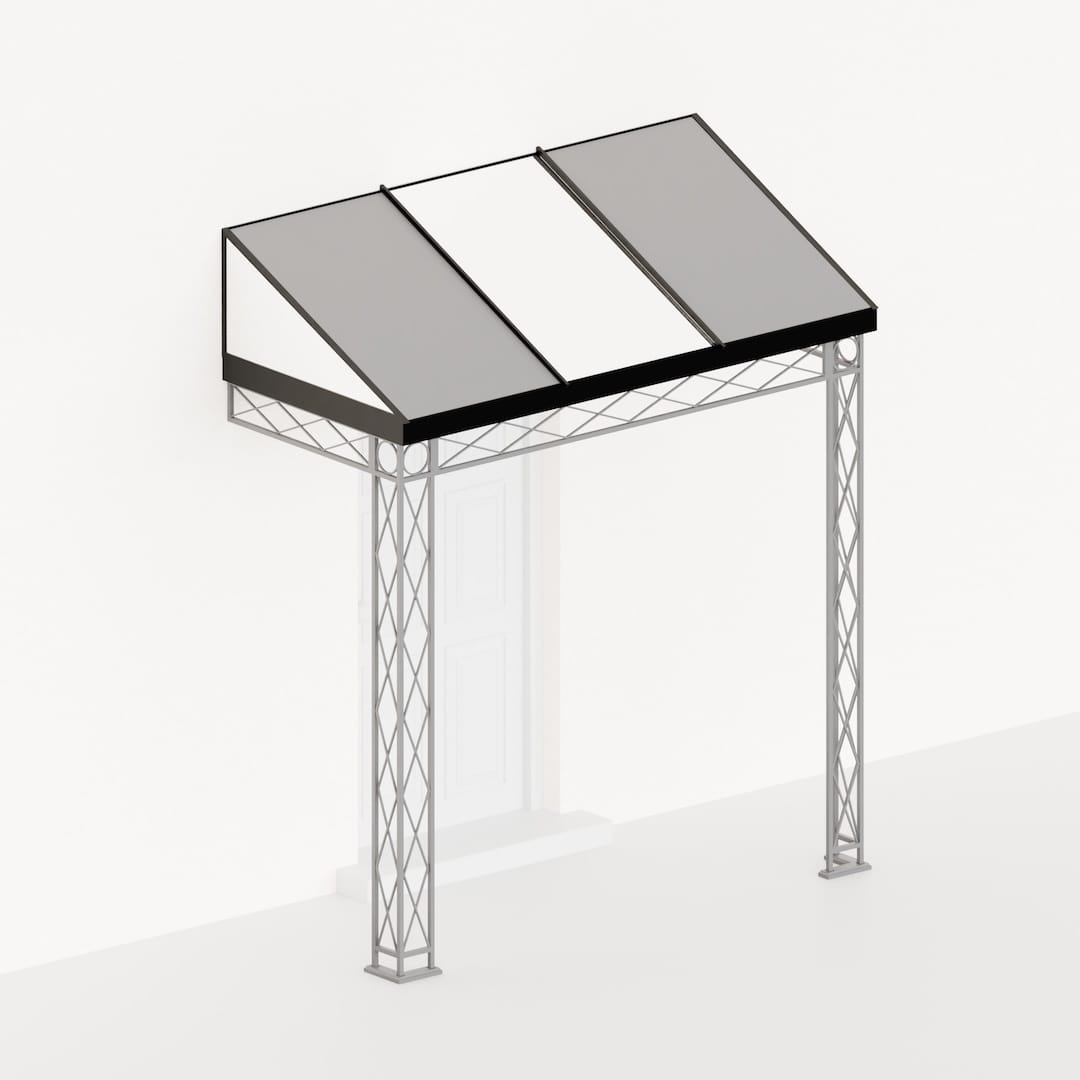
For spaces where maintaining natural light is important, a glazing bar roof can be an excellent choice. This allows glass panels to be incorporated into the design, creating a bright and open feel while still offering protection from the elements.
Each veranda is handcrafted to order, allowing roof height, depth and proportions to be carefully tailored to suit both the design and the intended use of the space.
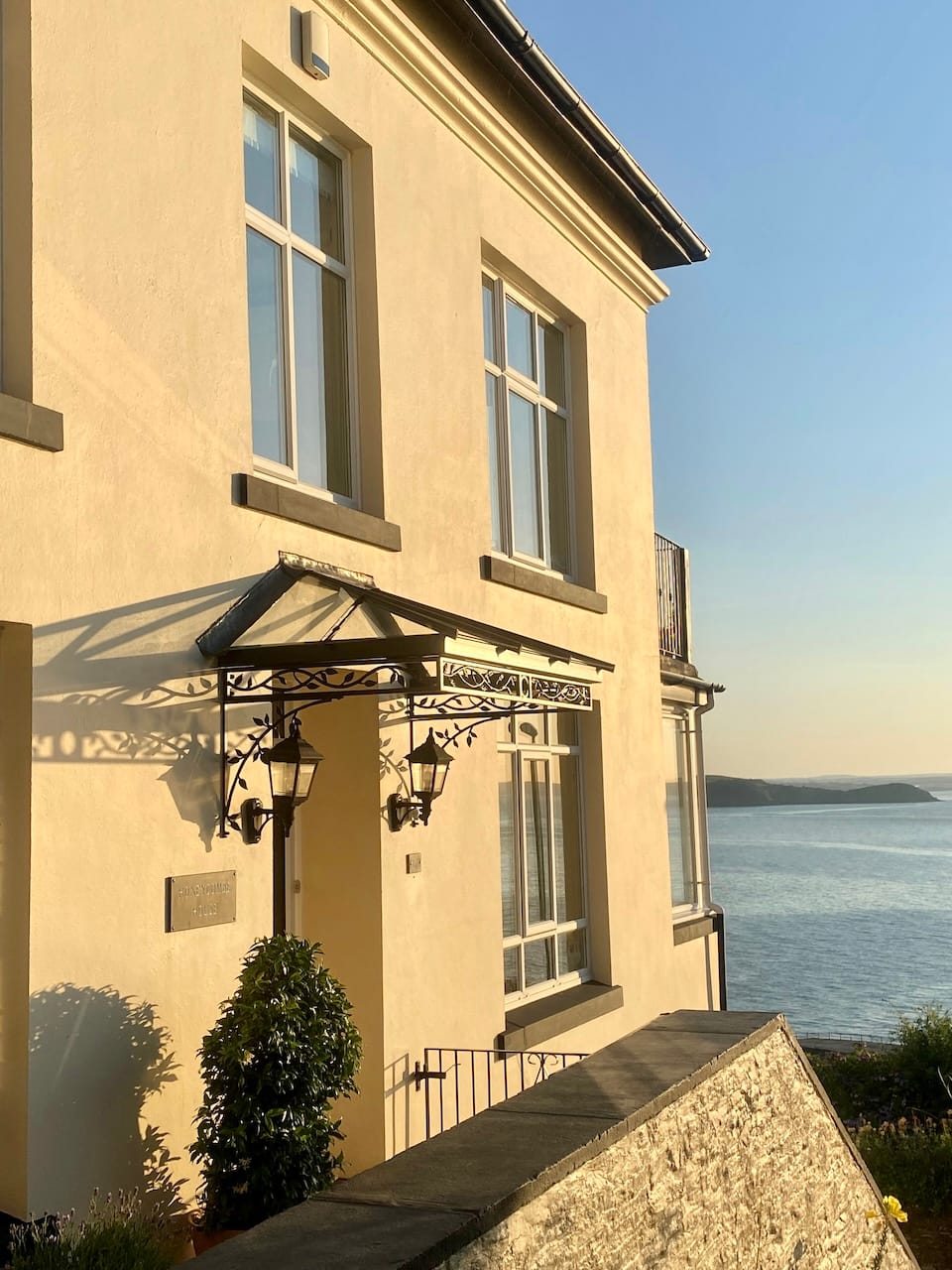
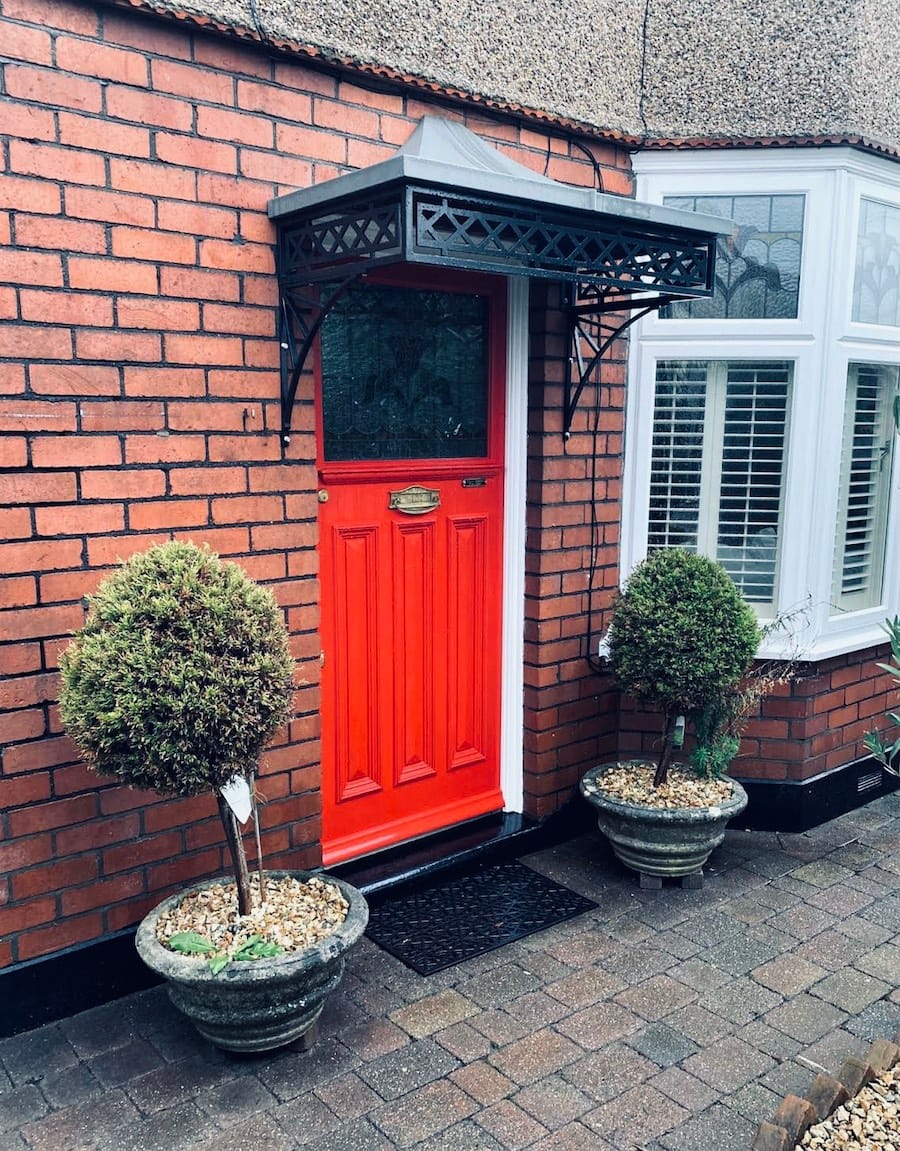
Seeing how a metal veranda looks on a completed property can help you visualise how different designs may work within your own space. Our veranda projects range from compact structures designed to provide shelter over doors and patios, through to larger installations that create fully usable outdoor living areas.
Many of our clients choose a veranda design that reflects the architectural style of their home, whether that is a traditional wrought iron veranda for a period property or a more contemporary structure designed to complement modern architecture.
Roof styles, structural elements and decorative details can all be tailored depending on the requirements of the project. Options such as complete metal roofs, glazing bar roofs and traditional roof frameworks allow each veranda to be designed with both practicality and appearance in mind.
Each project is handcrafted to order and made to suit the exact dimensions of the property, ensuring the veranda enhances the space while providing reliable, long-lasting protection from the elements.
Browse a selection of our previous veranda projects below to see how different designs have been used to extend living spaces and create elegant, functional outdoor areas.
Powered by Google
How does it work?
Frequently Asked Questions
Do you have a showroom?
Where can I find designs, styles and more information about your Porches, Verandas and Canopies?
We offer a wide range of metalwork designs and styles to suit any property– for ironwork as individual as you! You can find more information about our range of porches, verandas and canopies including our typical sizes. All of our ironwork designs and roof options can also be viewed in our online brochure, which can also be downloaded as PDF.
What materials are your products made from?
For materials used for roofing please see ‘What roof options are available?’
What colours can I have my finished ironwork?
Are you able to galvanise – I live near the coast.
What is Zinc Thermal Coating? When is it recommended?
What do you need to know in order to provide me with my personalised estimate?
Ok, so here is what we need to know: -
Some basic contact information including your name, email address, telephone number and the address.
If you are able to send a photo of where the ironwork is to be installed this can be extremely useful – ‘a picture is worth a thousand words’ as they say.
Approximate dimensions these must include the width, the depth out from the building and the height to the underside of the roof. (Click to see example image)
The design of ironwork you would like, whether it is one of our existing designs or you have been inspired by a design you have seen elsewhere
The type of roof you would prefer and any accessories you would like to finish your ironwork off – such as cast shoe covers or our forest of dean stone plinths (please see our brochure for more information about the options available)
Do you install the ironwork?
What are roof options are available?
(We offer an array of roof options to give you the freedom to choose what you prefer. Our most cost-effective option would be our galvanised mild sheet roof (see below for more information about this type of roof).
We can provide a roof framework which can be lined and leaded by your local roofer/ builder – we do not line and lead ourselves as we are not a roofing company and there are many styles of lining and leading, which are best worked through with a professional in that trade.
We also offer a glazing bar roof, which allows you to have a partially or fully glazed roof, this can be straight or curved with hipped ends. We do not supply the glass as we are not a glazier, but do supply the mild steel sheet for infill panels if required.)
Can you attach guttering to a galvanised mild sheet roof?
Can you line a galvanised mild sheet roof?
Can you flash around the galvanised mild sheet roof using lead or similar?
How will my order arrive?
We take the utmost care when packing and your pallet will be made specially for your ironwork. However, we would always ask that the ironwork is unpackaged and inspected before the courier leaves. In the extremely rare event of any damages we would ask that you make us aware of this as soon as possible and send any relevant photos. (All of our Ironwork is photographed prior to leaving our workshop)
Is there a delivery charge?
Do prices include VAT?
Do you keep any stock?
Can I return my order if I don’t like it?
All of our Porches, Verandas and Canopies are handcrafted to order to your chosen design and specified dimensions. Fully dimensioned drawings will be provided for you and/ or your architect/builder to sign off before the commencement of any work. This being the case we cannot take returns. In the unlikely event that there is a fault or error with the ironwork please contact us immediately. For further details please see our terms and conditions of sale.
What is your lead time?
What is included with my ironwork?
If you or your builder have any queries when installing our ironwork, we are always on the end of the phone and are more than happy to help in any way we can!
What maintenance is required if any?
All of our ironwork is constructed using the best materials and the highest standard of manufacture and with a little maintenance will last you for decades. For more information about maintenance, please see our ‘caring for your ironwork’ page.
As with any natural product that has been painted for protection, particularly one that spends its life outside, ironwork does require periodic inspection and a little maintenance in order to keep it looking beautiful.
This is a very easy process:
- We recommend a full visual inspection 6 – 10 weeks after installation to ensure there is no discolouration/oxidation from water ingress which may occur in some of the tighter joints, or from chips/scratches that may have been missed initially.
- Frequency of subsequent inspections/maintenance will depend very much on local conditions but should be at least annually.
- Any debris, leaves etc. should be cleared to prevent water getting trapped and sitting against the ironwork.
- The ironwork should be wiped over with a damp cloth intermittently to remove any dust/dirt.
- Any chips/scratches that occur in use should be touched up as soon as possible before oxidation occurs. We appreciate that you may not spot them straight away so if oxidation has already occurred, this can easily be remedied by gently and carefully rubbing back the affected area with a light abrasive pad/Scotch pad (such as those on the back of a washing up sponge), applying a proprietary rust inhibitor and touching up with the paint provided. Step by step instructions on how to do this are available on our website.
Installation - How to handle my ironwork?
Thank you for purchasing your new ironwork from Fine Iron. We want to ensure you are completely happy with your ironwork and it remains as pristine as when it arrived for many years to come.
In order to do that, please follow these simple guidelines:
- The ironwork should be unwrapped on arrival in order to check the goods. If you do not intend to install the ironwork immediately it can be tempting to leave it wrapped for protection – please do not do this (refer to packing and delivery instructions for further information).
- The ironwork components are very heavy. If they are placed directly on or against a hard surface (e.g concrete, brick, stone, paviours), either when unpacking, when storing it after unpacking prior to installation, or during installation, the weight if the ironwork on/against the surface can damage the paint finish. The damage to the coating may not be easily visible so you may not even think it requires touching-up with the paint provided but after a time oxidisation will occur and orange staining will become apparent on the surface. To prevent this happening, please ensure a suitable buffer is placed between the ironwork and any hard surface – this could be cardboard, a lint-free material or similar.
- It is preferable not carry out any cutting/welding works, or any work that creates sparks or debris travelling at high speed, in the proximity of the ironwork but if this is unavoidable, please ensure you provide suitable protection and cover the ironwork beforehand. Sparks and debris will embed in the surface of the paint which are then highly likely to cause oxidation/rust to form.
- Once installation is complete, wipe the ironwork over with a damp, lint-free cloth to remove any dust/dirt (this will also help you to spot any chips or scratches).
- Chips and scratches to the ironwork will invariably occur during the installation process. This is perfectly normal and we provide small tin of paint with every order to enable these to be touched up (this can also be used to paint the heads of the fixings). Touching up should be done immediately or as soon as practicable following installation before any oxidisation occurs.
- We recommend a full visual inspection 6 – 10 weeks after installation to ensure there is no discolouration/oxidation from water ingress which may occur in some of the tighter joints, or from chips/scratches that may have been missed initially.
- In the unlikely event oxidation/discolouration occurs, this can easily be remedied by gently rubbing back the affected area with a light abrasive pad/Scotch pad (such as those on the back of a washing up sponge), applying a proprietary rust inhibitor and touching up with the paint provided. Step by step instructions on how to do this are available on our website.